


Hey there! As a supplier of sewage lifting units, I often get asked, "How long does a sewage lifting unit usually last?" Well, that's what I'm gonna dive into in this blog.
First off, let's talk about what a sewage lifting unit is. It's a crucial piece of equipment that helps move wastewater from lower levels, like basements, to the main sewer line. Without it, dealing with sewage in areas below the sewer level would be a real pain in the you - know - what.
Now, the lifespan of a sewage lifting unit can vary quite a bit. There are several factors that come into play, and I'll break them down for you.
Quality of the Unit
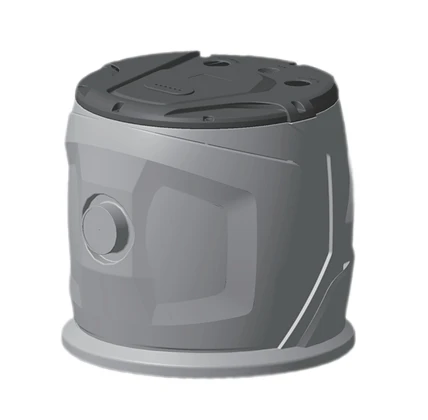
The quality of the sewage lifting unit you buy is a major factor. High - quality units are built to last. They're made with better materials and more advanced manufacturing techniques. For example, our External Double Pump Large Sewage Lifting Device is designed with top - notch components. The pumps are made of corrosion - resistant materials, which means they can handle the harsh environment of sewage for a long time. On the other hand, cheaper units might use sub - standard materials that can wear out quickly. You might save some money upfront, but you'll end up spending more in the long run on repairs and replacements.

Usage Frequency
How often the sewage lifting unit is used also affects its lifespan. If you have a commercial building where the unit is running constantly, it's going to experience more wear and tear compared to a unit in a single - family home that's used less frequently. In a commercial setting, like a restaurant or a shopping mall, the unit has to handle a large volume of sewage throughout the day. This constant operation can put a lot of stress on the pumps and other components. For a home, though, the usage is usually more sporadic. Our External Single Pump Sewage Lifting Unit is a great option for residential use, as it can handle the typical household sewage flow without being overworked.
Maintenance
Proper maintenance is key to making your sewage lifting unit last. Regular maintenance includes things like checking the pumps, cleaning the filters, and inspecting the pipes for any blockages. If you neglect maintenance, small problems can turn into big ones. For instance, a clogged filter can cause the pump to work harder, which can lead to premature failure. We always recommend following the manufacturer's maintenance schedule. If you're not sure how to do it, our team can provide you with some tips or even offer maintenance services. Our Built - in Pump Sewage Lifting Device comes with a detailed maintenance guide to help you keep it in top shape.
Environmental Conditions
The environment where the sewage lifting unit is installed can also impact its lifespan. If the unit is installed in a place with high humidity or extreme temperatures, it can cause corrosion and other damage. For example, if the unit is in a damp basement, the metal parts can rust over time. In areas with very cold winters, there's a risk of the pipes freezing, which can crack the unit. It's important to choose a location that's well - ventilated and protected from the elements.
Average Lifespan
So, what's the average lifespan of a sewage lifting unit? Well, a well - maintained and high - quality unit can last anywhere from 10 to 20 years. However, if the unit is of lower quality, not maintained properly, or used in a harsh environment, it might only last 5 to 10 years.
Let's take a closer look at each type of unit and their expected lifespans:
External Double Pump Large Sewage Lifting Device
These units are built for heavy - duty use, like in commercial buildings. With proper maintenance, they can last around 15 to 20 years. The double - pump design provides redundancy, which means if one pump fails, the other can still keep the system running. This reduces the risk of sewage backups and extends the overall lifespan of the unit.
External Single Pump Sewage Lifting Unit
For residential use, these units can last about 10 to 15 years. Since they're not under as much stress as the commercial units, they have a decent lifespan. But again, regular maintenance is crucial to ensure they last as long as possible.
Built - in Pump Sewage Lifting Device
These units are often used in smaller applications, like in a single - room basement. They can last around 10 to 12 years. The built - in pump design makes them more compact, but they still need to be maintained to avoid issues.
Signs That Your Sewage Lifting Unit Needs Replacement
Even with the best maintenance, there comes a time when you might need to replace your sewage lifting unit. Here are some signs to look out for:
- Frequent breakdowns: If your unit is breaking down more often, it might be a sign that it's reaching the end of its lifespan.
- Strange noises: Unusual noises like grinding or rattling can indicate that the pumps are wearing out.
- Slow drainage: If the sewage is draining slowly, it could mean that the pumps are not working efficiently.
- Visible damage: Cracks, leaks, or other visible damage to the unit are obvious signs that it needs to be replaced.
Conclusion
In conclusion, the lifespan of a sewage lifting unit depends on many factors, including quality, usage frequency, maintenance, and environmental conditions. As a supplier, we're committed to providing you with high - quality units that can last a long time. If you're in the market for a sewage lifting unit, or if you have any questions about the lifespan or maintenance of your existing unit, don't hesitate to reach out. We're here to help you make the right choice and ensure that your sewage system runs smoothly for years to come. Whether you need a unit for your home or a commercial building, we've got the perfect solution for you. So, let's start a conversation and find the best sewage lifting unit for your needs!
References
- "Sewage Lifting Systems: A Comprehensive Guide" - Industry Publication
- "Maintenance Best Practices for Wastewater Equipment" - Professional Journal



