


As a vendor specializing in Toilet Sewage Lifter, I've witnessed firsthand how housing materials play a crucial role in determining the durability of sewage lifters. In this blog, I'll delve into the science behind it and explore how different housing materials impact the long - term performance of these essential devices.
The Basics of Sewage Lifters
Sewage lifters are critical components in modern plumbing systems, especially in buildings where gravity - based wastewater drainage is not feasible. They are responsible for pumping sewage and wastewater from lower levels, such as basements, to the main sewer line. A Wastewater Lifting Unit typically consists of a pump, a control system, and a housing that encloses and protects these components from the harsh environment of sewage.
Why Durability Matters
Durability is of utmost importance for sewage lifters. These devices operate in a high - risk environment, constantly exposed to corrosive sewage, debris, and potentially high - pressure conditions. A lack of durability can lead to frequent breakdowns, costly repairs, and even health hazards due to sewage backups. Therefore, the choice of housing material is a key factor in ensuring the long - term reliability and functionality of the sewage lifter.
Different Housing Materials and Their Impact on Durability
Stainless Steel
Stainless steel is one of the most popular housing materials for sewage lifters. It is known for its excellent corrosion resistance, which is crucial in a sewage environment where the presence of acids, alkalis, and other corrosive substances is common. Stainless steel can withstand the chemical attacks from sewage over an extended period, greatly reducing the risk of rust and structural failure.
In addition to corrosion resistance, stainless steel is also strong and durable. It can handle high - pressure conditions that may occur during the pumping process. The structural integrity of stainless steel housing ensures that the internal components of the sewage lifter are well - protected, even when faced with mechanical shocks or vibrations.
However, stainless steel is relatively expensive compared to other materials. This higher cost may be a deterrent for some customers on a tight budget. Nevertheless, considering its long lifespan and low maintenance requirements, stainless steel can be a cost - effective choice in the long run.
Cast Iron
Cast iron has been a traditional choice for sewage lifter housings. It has high strength and durability, capable of withstanding heavy loads and impacts. Cast iron's thick walls provide excellent protection for the internal components of the sewage lifter.
One of the main advantages of cast iron is its ability to dampen noise. The dense material can absorb much of the sound generated during the operation of the pump, making the sewage lifter quieter compared to those with other housing materials.

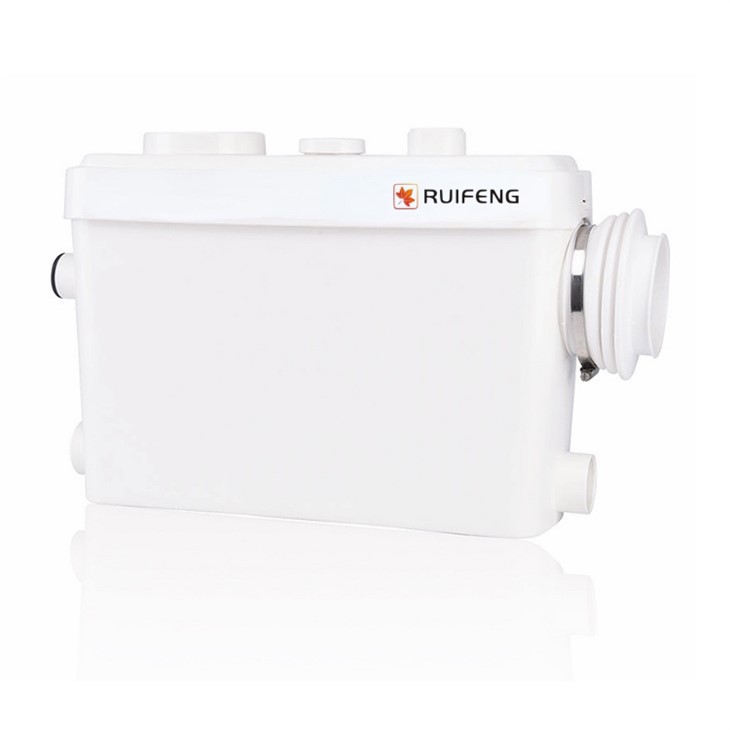
However, cast iron is prone to corrosion, especially in the presence of oxygen and moisture. Over time, the corrosion can weaken the structure of the housing, leading to leaks and eventual failure. To mitigate this issue, cast - iron housings often need to be coated with anti - corrosion paints or epoxy. But these coatings will degrade over time and need to be reapplied periodically, adding to the maintenance cost.
Plastic
Plastic materials, such as polyethylene and polypropylene, are increasingly being used in sewage lifter housings. Plastic is lightweight, which makes it easy to install and handle. It is also relatively inexpensive, making it an attractive option for cost - conscious customers.
Plastic has good chemical resistance, especially against many of the common chemicals found in sewage. It is also resistant to rust and corrosion, eliminating the need for anti - corrosion treatments.
However, plastic has some limitations. It is not as strong as metal materials and may be more susceptible to damage from mechanical impacts. Prolonged exposure to sunlight can cause plastic to become brittle and lose its structural integrity. In high - temperature applications, plastic may deform, which can affect the performance of the sewage lifter.
Fiberglass Reinforced Plastic (FRP)
Fiberglass reinforced plastic combines the benefits of both plastic and fiberglass. FRP has high strength - to - weight ratio, making it lightweight yet strong. It is also highly resistant to corrosion, chemical attacks, and UV radiation.
The fiberglass reinforcement provides additional structural support, making the housing more resistant to impacts and cracks. FRP can be molded into complex shapes, allowing for more efficient design of sewage lifter housings.
However, the manufacturing process of FRP is relatively complex and costly. Repairs to FRP housings can also be more difficult compared to other materials, as they often require specialized skills and materials.
Case Studies
To illustrate the impact of housing materials on the durability of sewage lifters, let's look at a few case studies.
In a commercial building with a stainless - steel sewage lifter, the device has been in operation for over 15 years with minimal maintenance. The stainless - steel housing has remained intact, protecting the internal components from corrosion and damage. The building owner has only had to perform routine checks on the pump and control system, thanks to the durability of the housing.
On the other hand, a residential building with a cast - iron sewage lifter experienced problems after 8 years of use. The cast - iron housing started to corrode, leading to leaks and a decrease in the pump's performance. The homeowners had to replace the entire housing, which was a costly and time - consuming process.
The Role of the Manufacturer
As a Toilet Sewage Lifter supplier, we play a crucial role in helping our customers choose the right housing material for their specific needs. We need to provide accurate information about the properties and performance of different materials.
We also need to ensure that our manufacturing processes are of high quality. For example, when using stainless - steel for the housing, we need to ensure proper welding and finishing to prevent corrosion at the joints. When using plastic, we need to control the manufacturing conditions to ensure the structural integrity of the housing.
How to Choose the Right Housing Material
When choosing a housing material for a sewage lifter, several factors need to be considered.
- Environment: The chemical composition of the sewage, the temperature, and the presence of debris in the environment should be taken into account. For example, in a highly corrosive sewage environment, stainless steel or FRP may be the best choice.
- Budget: Cost is always a major consideration. While stainless steel and FRP offer better durability, they are more expensive. Customers on a tight budget may opt for plastic or cast iron, but they need to be aware of the potential maintenance issues.
- Installation and Maintenance Requirements: Some materials are easier to install and maintain than others. For example, plastic is lightweight and easy to handle during installation, while cast iron may require more labor.
- Lifespan Expectation: If a long - term, low - maintenance solution is required, materials with high durability, such as stainless steel or FRP, should be considered.
Conclusion
In conclusion, the housing material of a sewage lifter has a significant impact on its durability. Different materials have their own advantages and disadvantages, and the choice of material should be based on factors such as the environment, budget, installation, and maintenance requirements.
As a Toilet Sewage Lifter supplier, we are committed to providing high - quality products and expert advice to our customers. If you are in the market for a sewage lifter and are unsure which housing material is right for your application, please contact us. We would be delighted to discuss your needs and help you make an informed decision.
References
- ASME Standards for Pump and Pumping Systems
- ASTM Standards on Materials for Sewage Treatment Equipment
- Technical Manuals of Leading Sewage Lifter Manufacturers



